Last month we experienced a delicious wine lunch with representatives of the Hess Family Wine Estates where we focused primarily on their Napa Valley estate wines released under the Hess Collection label. Our party was also introduced to the winery's super market brand, the Hess Select, but in name only. But soon afterwards I received a trio of samples that showcase these value wines made from grapes sourced from throughout the Golden State and Argentina. In general, these are well made wines, reasonably priced per quality, and should be widely available. Cheers.
California Pinot Gris 2017 ($13) - This is a new entry into the Hess Select portfolio sourced from vineyards throughout California to achieve, according to wine maker Dave Guffy, a "fruit forward expression of Pinot Gris". Guffy continues that the grapes are fermented at cold temperatures which accentuates the fruit expression further. This was my favorite of the three, a light wine with lemons and stone fruit from start to finish with refreshing acidity. Nicely done.
Monterey Chardonnay 2016 ($13) - Hess has been producing this wine since the early 1990s using fruit harvested from Monterey County. Dave Guffy relates that the ocean breezes from the Pacific Ocean allow the grapes to "retain their tropical and fruit forward edge" and to add weight 25% of the wine is aged in new French oak. This is one I enjoyed more as the wine warmed; too cold and the wine feels over extracted with the oak dominating the flavor. However, as the wine opens and warms, the oak starts to dissipate allowing the green apple, lemon, and tropical notes to appear.
North Coast, Sauvignon Blanc 2016 ($13) - The North Coast AVA encompasses several sub-AVAs and grape-growing regions in six counties located north of San Francisco: Lake, Marin, Mendocino, Napa, Sonoma, and Solano. Lake and Mendocino counties were the sources for this wine and Duffy says the later provides Sauvignon Blanc grapes with grassy notes and the inland Lake county more tropical and ripe flavors. This is another one that benefits from warming as the tropical aromas and flavors are overpowering when cold. As the wine warms the grassy and lemon characters begin to add balance to this light and very refreshing summer sipper.
Focusing on the world of wines, beer, and spirits that we experience through our travels at WineCompass.com and theCompass Craft Beverage Finder.
Wednesday, April 18, 2018
Monday, April 16, 2018
#MalbecWorldDay with Argentine Wine from Salta, Valle de Uco, and Patagonia
Wines of Argentina has designated Friday April 20th as Malbec World Day so why don't we delve into the world's most popular producer of Malbec wine. In the land of contrast there are three major wine producing regions: Salta, Valle de Uco (in Mendoza), and Patagonia. The first two are high altitude regions with the Uco Valley anywhere from 2,800 to 5,600 feet and Salta, the most extreme, up to 10,000 feet above sea level. The cold temperatures usually associated with higher elevations are mitigated by the relatively warmer temperatures from it's lower latitude and the increased levels of sunlight and UV exposure. On the other hand, Patagonia averages only 1,000 feet but has its own extreme features. This is a cooler desert climate that is warmed by the "La Zonda" winds driving through the eastern slopes of the Andes. Thus, in all three regions there is a strong diurnal temperature variation, plenty of sunlight, and well drained soils - translating to well formed wine grapes. And in preparation for Malbec World Day I received several samples of Argentinian Malbec wine.Colomé Malbec Salta 2015 ($25) - Bodega Colomé is one of the oldest working wineries in Argentina and home to the highest vineyards in the world in Salta's Calchaquí Valley. The winery was established in 1831 when the vineyards were first planted on original rootstock imported from Bordeaux -- and these vines are still bearing fruit today. Now a member of the Hess Family Wine Estates, Colomé consistently produces well made wine like this dense, full bodied, and velvety edition. The wine's finish shows white pepper, acids, and noticeable, but approachable tannins.
Amalaya Malbec Salta 2016 ($16) - a blend of 85% Malbec 85%, 10% Tannat, and 5% Petit Verdot. Bodega Amalaya wines began as an experiment at Bodega Colomé in order to find alternative sourcing and varieties for Malbec and Torrontés blends. Donald Hess instructed his researchers to seek land where no vines had ever been planted the workers labelled the quest using the Inca expression Amalaya meaning 'Hope for a Miracle'. This wine is a great value and is fruit forward with dusty, spicy, and vanilla characters from mild oak treatment (25% aged 8 months in French Oak).
2015 Susana Balbo Signature Valle de Uco Mendoza Malbec ($20). This wine is from the Uco Valley's Altamira wine region which is at the southern tail of the Uco Valley on the banks of the Tunuyan river. The location's hot sunny days The vines' location promotes ripening, adding weight and complexity to the wines and the cooler nights provide the development of acidity and aromatics. This wine displays these characters with ripe juicy black fruit, structure, slight spice and chalk, and a fresh yet silky finish featuring subtle tannins
2015 Domaine Bousquet Malbec Grande Reserve ($25) - This 85% Malbec, 5% Cabernet Sauvignon, 5% Merlot, 5% Syrah blend is made from vineyards planted in the most northern and highest elevation (4,000 ft) in the Uco Valley: Tupungato, Alto Gualtallary. These conditions breed acidity and skin tannins which are prevalent in this organic wine. There is also plenty of structured velvety texture, floral aromas, and dark dried berry flavors. A fantastic wine.
2012 Alta Vista Single Vineyard Alizarine ($50). Alta Vista was the first Argentinian winery to produce single vineyard wines using a vineyard first planted in 1927 and located at 3,000 feet in Luján de Cuyo. This region was the first in Argentina to be officially recognized as an appellation and is situated in a valley just south of Mendoza City. The hot and dry climate helps produce delicious wine like this one here with notes of chocolate and dark fruit, good structure and very approachable tannins.
2012 Fleches De Los Andes Gran Corte ($45) This Malbec 60%, Cabernet Franc 20%, Syrah 20% blend is from Tunuyán, located in the middle of the Valle de Uco on the eastern side of the valley. The alluvial soils are ideal for viticulture and the irrigation water is provided by the nearby river. The wine starts extremely tight and tannic so decant liberally. Once the wine opens baking spices and black pepper appear and the structured texture eventually evolves to create a deep and balancedl wine.
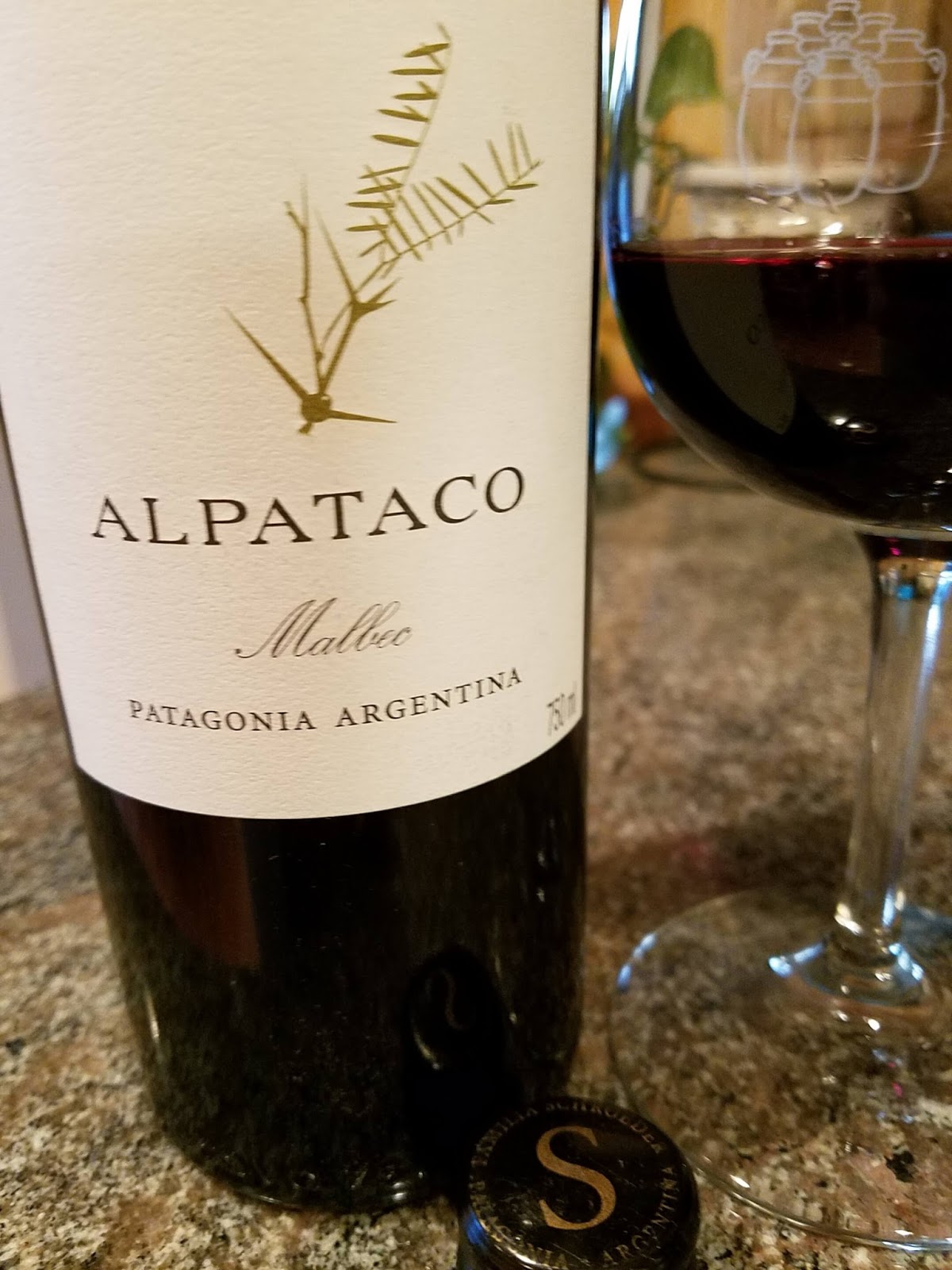
2017 Altapaco Malbec Familia Schroeder Patagonia ($15) This wine from Familia Schroeder is from San Patricio del Chanar, a new viticultural region in Patagonia, South America's southernmost wine-producing region. In geographic size, the region covers a vast area, nearly twice the size of California, across southern Argentina and Chile. The arid desert receives irrigation help from Andes melt water which flows through several rivers. "Vines stressed by these year-round high winds and the free-draining alluvial soils tend to grow smaller berries with thicker skins, leading to a higher concentration of sugars, acids and tannins". Alpataco refers to a thorny bush that the winery says "embodies the spirit of resilience needed to prosper in the Patagonian plains". This is a very fresh wine, with approachable and easy tannins that are preceded with bright red and tart cherry juice. Here's your everyday Malbec World Day wine. Cheers.
Thursday, April 12, 2018
#VABreweryChallenge: #58 - Ono Brewing Company

Chantilly now has its second craft brewery as Ono Brewing Company joins Mustang Sally's to offer craft beer near the intersection of Route 18 and Route 50. Ono means "delicious" or "tasty" in Hawaiian which is one of many ways the winery honors owners Scott and Cyndi Hoffman's ties to the Aloha State. Another link back to Hawaii are several beer styles such as the top seller Manako Wheat Ale brewed with mangoes and the Paradise IPA infused with pineapple juice. There's also the Pau Hana Pale Ale, a solid ale balanced with Motueka, Rakau, Kazbek, Kohatu, and Saphir New Zealand hops. Finally the brwery offers the Haole White Ale infused with cherry juices. This is a refreshing summer beer, neither tart nor sour, just flavorful. Two more I enjoyed were the Hellyes Lager and Hunker Down Brown both excellent examples of their respective styles. Ono also utilizes the Pour My Beer system allowing customers "to take control of their own beer tasting experience". This works by visitors obtaining a RFID card which they then use to pour themselves up to a pint of beer and being charged by the ounce. There are many benefits to this system. First, consumers can experiment with multiple small pours of different beers so as not to purchase a pint or sampler that they eventually dislike. It also eliminates choke points at the bar where a handful of staff are attempting to service a large crowd. Finally it gives customers freedom to create their own samples or even blend beers to develop a new style. And as always, theCompass Craft Beverage Finder will guide you to Ono Brewing and other craft beverage destinations. Cheers.
Monday, April 9, 2018
Durham, Craft Beer, Lemurs, and American Tobacco

Durham North Carolina is near the tail end of the Route 15 Wine Road, but instead of wine, this region is creating a craft beer heritage. It is also the home of Duke University, named after its major benefactor tobacco industrialist Washington Duke. Duke's son, James Buchanan Duke was also a major benefactor to the university as well as the owner of the American Tobacco Company (the successor to his Father's tobacco company) which eventually controlled over 90% of the American cigarette market by the early 1900s. Duke also founded a power company that grew into Duke Energy and supplied power to the hundreds of area textile mills and tobacco manufacturing plants. Today the former American Tobacco warehouses are a major redeveloped area in downtown Durham adjacent to the Durham Bulls stadium and several craft breweries, distilleries, Bull City Ciderworks, and Honeygirl Meadery. In fact, the Bull Durham Beer Co. is the only craft beer company located inside a minor league ballpark.
Another attraction in Durham is the Duke Lemur Center (DLC), "the world’s largest and most diverse collection of lemurs – Earth’s most threatened group of mammals – outside of Madagascar". The DLC is situated on 80 wooded acres two miles from the main Duke University campus and provides a living laboratory where lemurs and their close relatives could be studied intensively and non-invasively. It's budget is partly funded through private tours of the facility such as a Walking with Lemurs tour where our future primatologist spent 90 minutes up close with a trio of Crown Lemurs. The tour also included meeting Mongoose Lemurs, Collared Lemurs, Red Ruffed Lemurs, Black & White Ruffed Lemurs and Aye-Ayes.
After visiting the DLC, theCompass Craft Beverage Finder showed Durham's seven craft breweries were are only a few minutes away so we headed straight for Fullsteam Brewery for lunch and beer. The brewery's mantra is to "brew distinctly Southern beer that fosters agricultural pride and prosperity in a post-tobacco North Carolina. By buying local to brew local, we aim to improve the quality of life of local farmers, foragers, and agricultural entrepreneurs. We seek to pioneer a Southern Beer Economy...one pint at a time." That translates to using at least 10% local ingredients such as the 30% local Humidity Pale Ale - brewed with local triticale, a wheat/rye hybrid. This is a solid beer, full of flavor and balanced seamlessly with bittering hops. My favorite was the Paycheck Pilsner brewed with southern sourced barley and corn with a tasteful and refreshing German style (with a six pack coming home). There are also more unique beers in Fullsteam's portfolio such as a half dozen IPA styles; the Working Man's Lunch, a brown ale brewed to mimic the southern tradition of RC Cola and a Moonpie; the Carver Sweet Potato Lager, made from 200 pounds of North Carolina and named to honor Dr. George Washington Carver; and the Coffee Is For Closers Porter - inspired by iced coffee and made with Muddy Dog Sumatran Coffee. There's a lot of experimentation going on here.
There's also a lot of experimentation going on at Ponysaurus Brewing where I would recommend visiting in the evening to enjoy the fire pit -- and the Fig Saison. That's what attracted me to the brewery and the beer is complex and delicious. Similarly, the Oyster Saison is as complex but in the mineral direction. The Ponysaurus Réserve Ale is a Belgian Dark Strong Ale featuring plenty of brown malts and Belgian candy syrup made in-house; the 10% abv is never felt. Finally, the Rye Pale Ale rounded out my sampler, light spices and balanced bitterness. Well done.The final beer of note was the Van Gogh Breakfast Stout from Durty Bull Brewing Company. The was poured a couple spots around town and is brewed with with local coffee from Joe Van Gogh. It is truly a delicious breakfast stout which could easily replace the warmer staple. Cheers to the Bulls.
Subscribe to:
Comments (Atom)