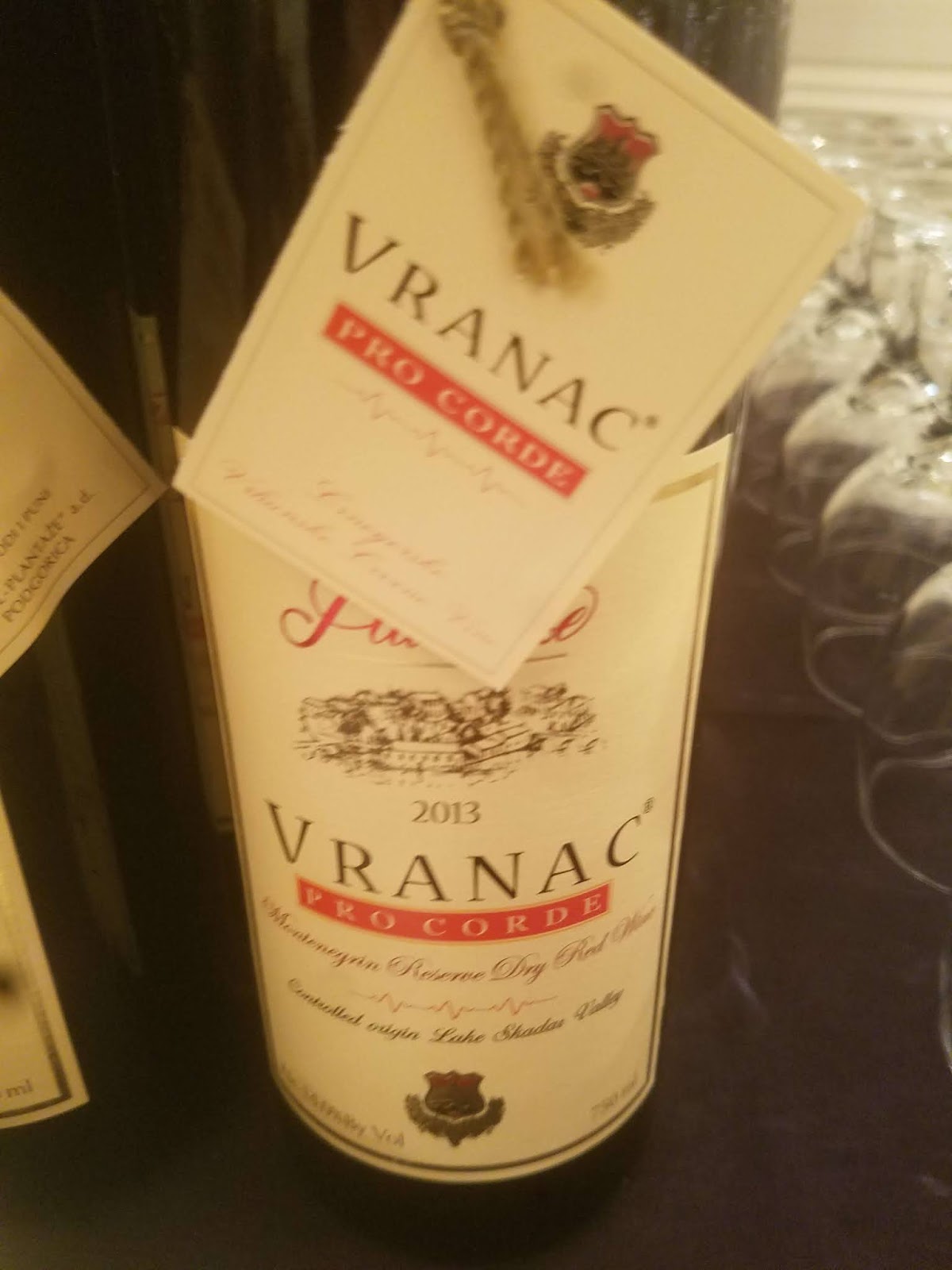
At the heart of this region lies Ćemovsko Polje, one of the largest vineyards in Europe, spanning 2,300 hectares, hosting over 11.5 million vines, and located only 18 miles from the Adriatic Sea. This single complex vineyard is the flagship of 13. Jul – Plantaže, Montenegro’s leading wine producer. The vineyards are boarded on one side by the Cijevna -- a subterranean river which broke through the rocks and created a picturesque canyon leaving layers of different types of stone where the vines were eventually planted.
The vineyard is situated on a plateau with an altitude between only 150 and 230 feet and it is surrounded by limestone hills, which defines it as a karst valley with extremely hot and dry summer and slightly cooler winter than in the coastal zone. The area receives an extremely limited amount of precipitation and plenty of sunny hours. But this scorching sun, which shines up to twelve hours a day during the summer is a major challenge along with the skeletal soil composed of chalky limestone, sand and gravel-strewn with many polished pebbles.
Krstač is a rare, indigenous white grape variety native to Montenegro. It thrives in the warm, dry conditions of Ćemovsko Polje and is known for its delicate floral aromas, crisp acidity, and subtle minerality. Wines made from Krstač are typically dry, light-bodied, and refreshing, often showing notes of white peach, pear, and citrus zest. It has a tight, medium sized cluster that is shaped like a cross -- leading to the name Krstač or Crusader in English.
13. Jul – Plantaže was founded in the 1960s emerging from a consolidation of farms in Podgorica, Danilovgrad, and Virpazar. Today, it is Montenegro’s largest wine producer and a regional powerhouse, exporting to over 40 countries. According to their website, they are the only winery in the world that produces wine from Krstač. The grapes harvested from their estate at Ćemovsko Polje are vinified and aged at three wine cellars Lješkopolje (the company’s oldest wine cellar), Ćemovsko Polje (where most of the wine production occurs), and Šipčanik (a former military bunker).
The grapes for their 2023 Crnogorski Krstač were harvested from Ćemovsko Polje vines with the juice fermented and aged on its lees in stainless steel tanks. This is a surprisingly complex wine, a floral aroma, plenty of green apple and stone fruit, minerality, and a racy elevated finish. Love the acidity.